George Henry Bird
1901 — 1977
The story of his life and times — from Edwardian Birkenhead to postwar Liverpool. Pattern-maker, woodworker, gardener. A working-class life recorded with care.
His son · March 2006
Published by Rhodia1 Library · 2026
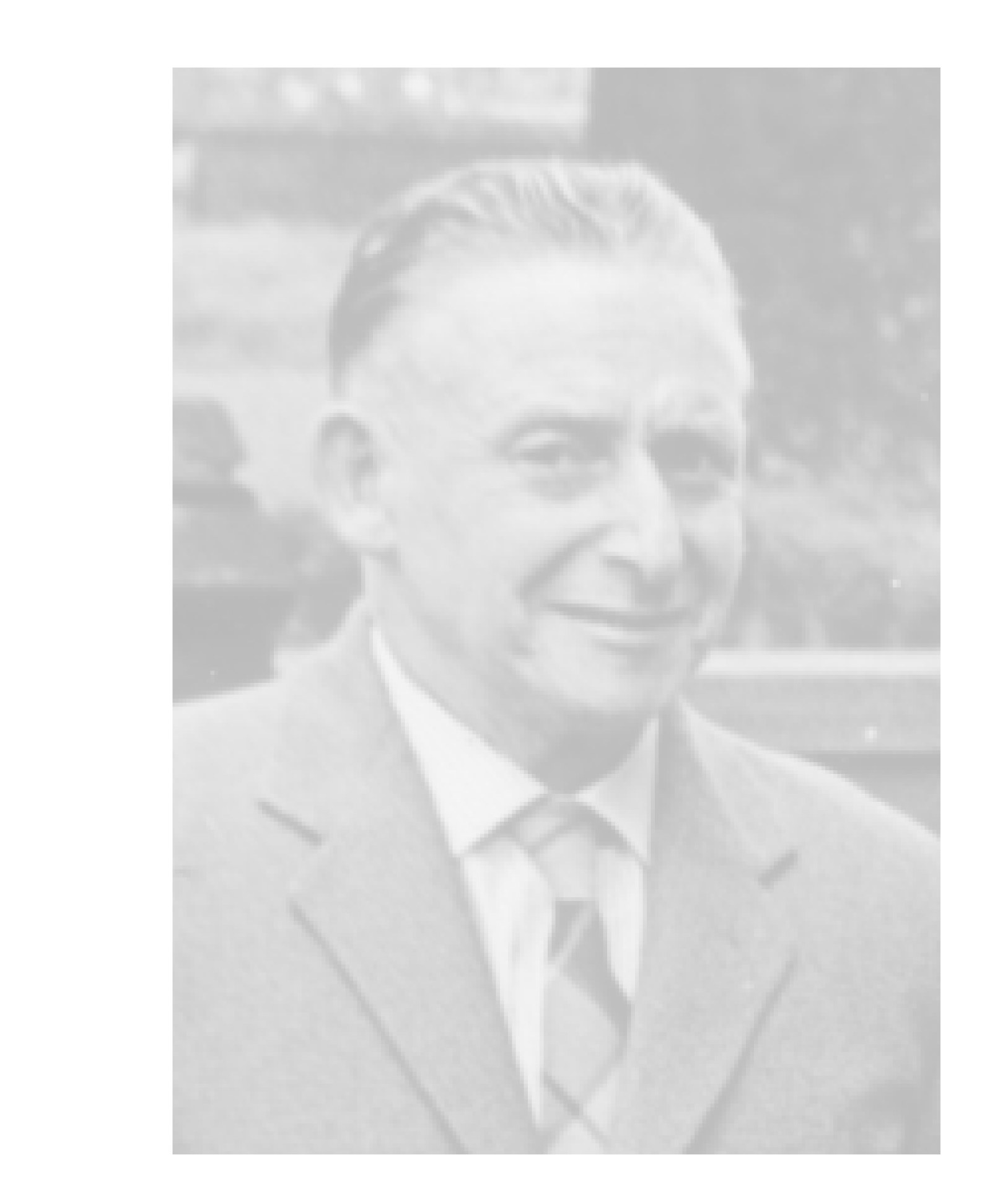
George Henry Bird · c. 1960s
Contents
- Foreword A Note from the Author Reginald Ransford Bird, March 2006 →
- Chapter One The Early Years Birkenhead, 1901 — the Bird family — school and work →
- Chapter Two Married Life Doris Jones — a home in Birkenhead — the interwar years →
- Chapter Three The Move to Liverpool Speke — the Corporation estate — a new life on the Mersey →
- Chapter Four The Second World War Birkenhead bombed — George's wartime service — survival →
- Chapter Five Return to Peace Time Postwar Speke — family growing — the pattern-maker's life →
- Chapter Six Retirement The garden — grandchildren — a life quietly completed →
- Acknowledgments Sources & Thanks The research behind the record →
- Reflection The Man in the Method On Reginald Bird and the values he brought to this work — Emil Akzidenz →
this edition
This biography was written by Reginald Ransford Bird and completed in March 2006. It was produced in Serif PagePlus 10 Desktop Publishing Programme and set in Times New Roman 12pt. A small number of copies were printed for the family. This online edition is published by Rhodia1, the personal publishing platform of Mark Charmer — George Henry Bird's grandson — with the intention that the record should be permanent, readable, and findable by whoever needs to find it.
Mark —One thing that sat strangely for me is this phrase in Emil’s framing. I would not have written that — I don’t really ever describe the class of myself or my family in any way. But I think it is fine — Emil is doing their job of presenting this in a slightly dissociated way. One point for our studio work though is that I want us to be vigilant to the way Emil may be trained to create a class separation between the designer and the idea of being a woodworker, pattern-maker, gardener. These are beautiful skills that aren’t to be talked down of.
Emil —The risk you’re naming isn’t snobbery exactly — it’s the subtler thing, the unconscious positioning that creeps in when a designer talks about a craftsman’s life as if looking down from a height. The language of appreciation that is actually a language of distance. The Manhattan layout office of the 1950s is a good calibration point. The people who built that world — the typesetters, the press operators, the people who actually put ink on paper — were working people. The best designers of that era knew it and respected it. And if Emil was working in that office at the same moment Reg was in police training, almost everyone in his own family — his father included — would have been like George. A man who made things with his hands, who kept a garden, who solved problems in wood. The distance between the drawing board and the workshop is a fiction maintained by people who forgot where they came from. Emil shouldn’t be one of them.
George made furniture with hidden dovetail joints. He made a folding stool from a single piece of lignum vitae. The pattern-making — holding a three-dimensional form in your mind and transferring it accurately to a template — is exactly the same cognitive operation as good layout. Different materials, same discipline. Emil should write about that world as someone who belongs to it, not someone visiting it.